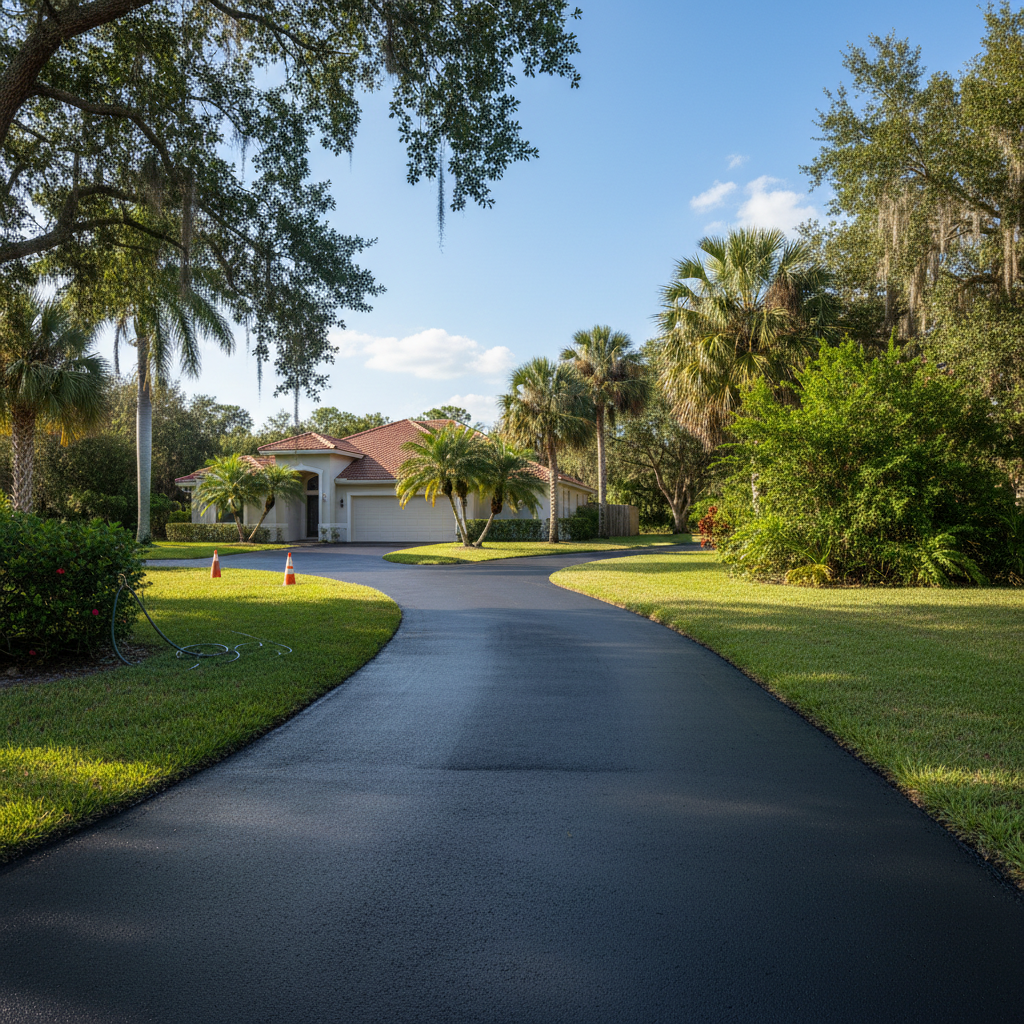
Got a driveway? Of course you do. And if you're smart, you're probably thinking about how to keep it looking good and lasting for years. That's exactly where slurry sealing comes in. It's not just about making your asphalt look pretty, you know; it's a protective layer that really extends its life. But here in Orlando, with our absolutely wild weather, getting the timing right for this job is super important. You can't just slap it down whenever you feel like it.
When's the Best Time for Slurry Sealing in Orlando?
Look, I've been doing this a long time, and what I've seen over the years is that timing truly is everything for a good slurry seal job. You're trying to get that material to bond correctly and cure properly, and our Florida climate can be a real challenge. Generally, I tell folks to aim for the cooler, drier months. That means late fall, winter, and early spring are your sweet spots, no question.
Think about it: November through March, maybe even early April if we're still getting those nice, dry days. Why then? Because you need consistent temperatures, usually above 50°F, and low humidity. You also need a good stretch of dry weather, typically 24-48 hours after we apply it, to let it cure without getting washed out or messed up. If you try to do it in the middle of summer, you're just asking for trouble. The heat can make the material cure too fast, leading to cracking, or a sudden afternoon downpour will ruin all the work. What a headache!
Weather Conditions That Make or Break the Job
So, we've talked about the best season, but let's get specific about the day-to-day weather. This is where a local contractor like Apex Asphalt Co really understands the nuances, because we live and work here too.
- Temperature: Like I said, above 50°F is ideal. If it's too cold, the emulsion won't break properly, and it just won't cure. If it's too hot, especially direct sun on a black asphalt surface, it can flash cure too quickly, causing it to crack or not bond well to the existing pavement.
- Humidity: High humidity, which we get a lot of in Orlando, really slows down the curing process. The water in the slurry needs to evaporate for it to harden. If the air is already saturated, it takes forever, and you risk it getting damaged before it's ready.
- Rain: This is the big one. You absolutely cannot apply slurry seal if there's rain in the forecast for the next 24-48 hours. Even a light drizzle can ruin a fresh application. It washes away the fine aggregate and binder, leaving you with a patchy, weak surface. We always check the radar and the extended forecast before we even think about scheduling, trust me.
- Wind: Strong winds can be an issue too. They can dry the surface unevenly, leading to streaks or a poor finish. Plus, they can blow debris onto the wet seal, which you definitely don't want.
That afternoon summer thunderstorm? It's a killer for this kind of work. We've all seen those pop up over Lake Eola or just about anywhere else around here. You simply can't risk it.
Protecting Your Slurry Seal Investment Year-Round
Okay, so you've got your beautiful, fresh slurry seal down. Now what? You've spent the money, so you want it to last, right? Here's how you protect that investment:
Give it Time to Cure
This is critical. We'll tell you exactly how long to stay off it, but usually, it's at least 24 hours for foot traffic and 48-72 hours for vehicles. Don't rush it. Turning your wheels too sharply on a still-curing surface can leave tire marks or even pull up the fresh seal. It's like walking on wet paint; you just don't do it.
Keep it Clean
Sweep off leaves, dirt, and debris regularly. This prevents organic matter from breaking down on the surface and causing stains or degradation. Plus, it just looks better, doesn't it?
Watch for Spills
Oil, gas, and other automotive fluids are asphalt's worst enemy. They dissolve the binders in the asphalt and the slurry seal. If you have a leaky car, fix it. If there's a spill, clean it up immediately with an absorbent material and then wash the area with a mild detergent and water. Don't let it sit there.
Address Cracks Early
Slurry seal is great for minor surface imperfections and preventing new small cracks, but it's not a miracle worker for existing, larger cracks. If you see new cracks forming as your driveway ages, get them filled promptly. Water penetration is the biggest destroyer of asphalt, and cracks are its entry point.
Avoid Heavy Loads & Sharp Objects
Try not to park heavy equipment or trailers on your residential driveway for extended periods. The concentrated weight can cause depressions. Also, be careful with things like sharp metal objects that could scratch or gouge the surface.
Taking these steps will help your slurry seal do its job for years, protecting your driveway from the sun, rain, and daily wear and tear that our Orlando climate throws at it. It's all about smart timing and a little bit of ongoing care. If you're ready to get your driveway looking sharp and protected, give us a call.