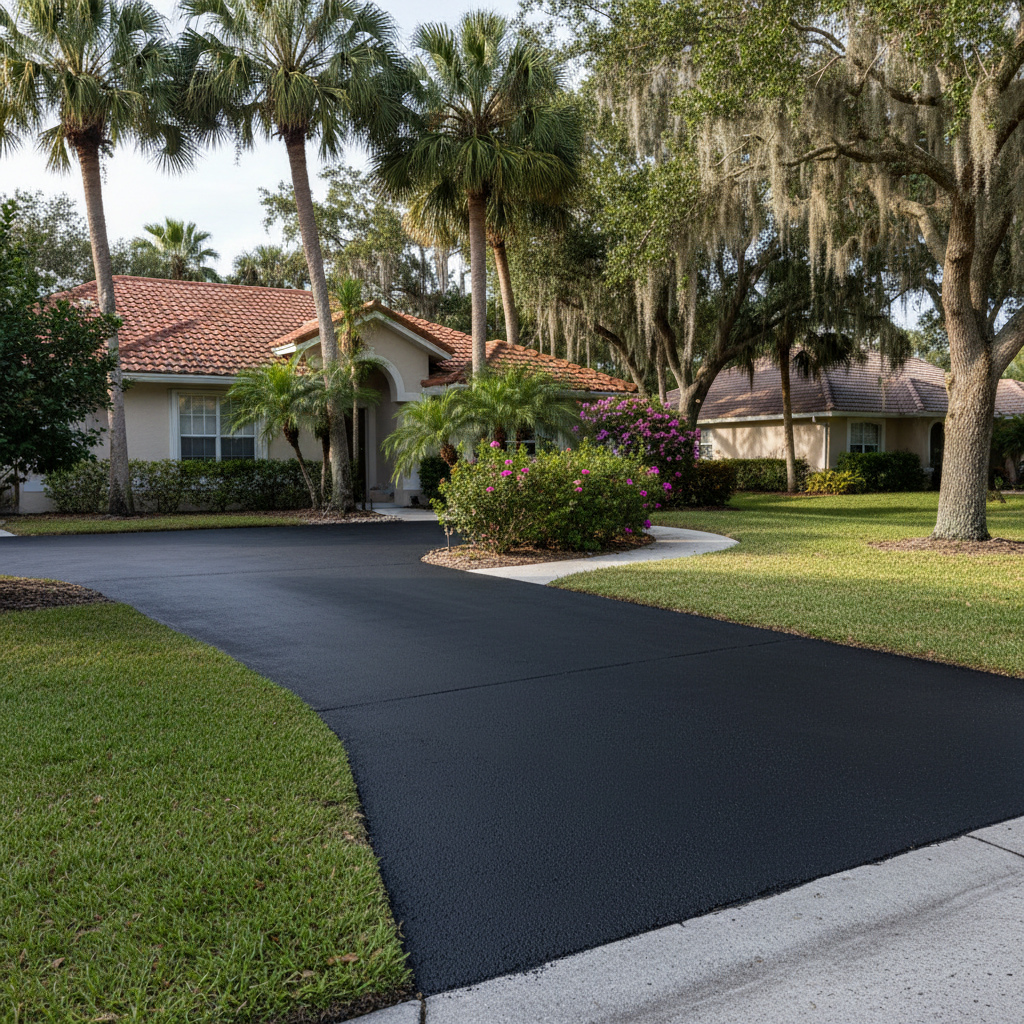
So, you're looking at your driveway and thinking it's time for a sealcoat. Good call, that. It's one of the best ways to protect your asphalt investment right here in Orlando. But when's the best time to get it done? That's where things get a little tricky with our Florida climate, wouldn't you say?
When to Schedule Your Orlando Sealcoat
Forget what you might hear from folks up north about sealcoating in spring or fall. Here in Orlando, our 'seasons' are a bit different, and that directly impacts when we can lay down a good sealcoat. You're looking for a sweet spot, and it's usually not when you'd expect.
We generally aim for the cooler, drier months. That means late fall, winter, and early spring are your prime windows. Think November through April. Why then? Because the sealcoat needs specific conditions to cure properly. It's not just about the temperature when it goes down; it's about the temperature for the 24-48 hours afterward. If it's too hot, it can dry too fast on the surface, trapping moisture underneath and leading to cracking or peeling. If it's too cold, it won't cure at all, leaving you with a sticky mess, and nobody wants that.
The ideal temperature for applying sealcoat is consistently above 50°F and below 90°F. And that's not just the air temperature; it's the pavement temperature too. In July, your asphalt can hit 140°F easily; even at night it's still way too hot for a proper cure. So, while you might be thinking about it in the summer, that's actually the worst time to do it.
Weather Conditions That Affect the Work
This is where Orlando weather really throws a wrench in things. Humidity and rain are our biggest enemies when it comes to sealcoating. You simply can't sealcoat on a wet surface, plain and simple. Even if it looks dry, high humidity can cause problems with adhesion and curing.
- Rain: This one's obvious. If it rains within 24-48 hours of application, especially before it's fully cured, it can wash away the sealcoat, leave streaks, or cause it to fail prematurely. We're constantly watching the radar. A pop-up afternoon shower, which we get all the time here, can ruin a day's work.
- Humidity: High humidity really slows down the curing process. Even if it's not raining, a super humid day can mean the sealcoat takes much longer to dry, leaving it vulnerable to foot traffic, car tires, or even just dew forming overnight.
- Sunlight: While you need warmth, direct, intense sunlight on a super hot day can cause the sealcoat to 'skin over' too quickly. This means the top layer dries, but the layers underneath stay wet, leading to premature cracking. It's a delicate balance, for sure.
That's why when Apex Asphalt Co. schedules your sealcoating, we're not just looking at the calendar; we're watching the 5-day forecast like hawks. We've got to be sure we've got a good, clear window of dry, mild weather.
Protecting Your Investment Year-Round
Once your driveway is freshly sealcoated, you've done a great job protecting it. But the work doesn't stop there. You want that sealcoat to last, right? Here’s how you keep it looking good and performing its job:
- Give it Time to Cure: This is huge. I know it's tempting to drive on it, but you absolutely need to stay off that fresh sealcoat for at least 24-48 hours, sometimes longer depending on the specific product and weather. Your contractor will give you a firm timeline. Driving on it too soon will leave tire marks and can damage the new surface.
- Avoid Sharp Turns & Heavy Loads: For the first week or so, try to avoid making sharp turns or parking heavy vehicles (like an RV) in the same spot for extended periods. This can scuff or indent the still-settling sealcoat.
- Clean Up Spills Quickly: Oil, gas, and other automotive fluids are still bad news for asphalt, even with a sealcoat. The sealcoat provides a barrier, but it's not invincible. Wipe up spills as soon as you see them.
- Address Cracks Promptly: Sealcoating is a preventative measure, but it won't fix existing structural cracks. If new cracks appear between sealcoat applications, get them filled. This stops water from getting underneath and causing bigger problems.
- Regular Cleaning: A simple sweep or hose down to remove dirt, leaves, and debris helps. Keeping it clean prevents organic matter from breaking down on the surface and potentially degrading the sealcoat.
- Re-seal Every 2-3 Years: This is the big one. Sealcoating isn't a one-and-done deal. To truly protect your driveway in our intense Orlando sun and rain, you'll want to re-seal it every two to three years. This regular maintenance is what keeps it looking good and extending its life significantly.
It's all about understanding our unique environment here in Central Florida. With the right timing and a little ongoing care, your asphalt driveway will stand up to the heat, the rain, and everything else Orlando throws at it for years to come.