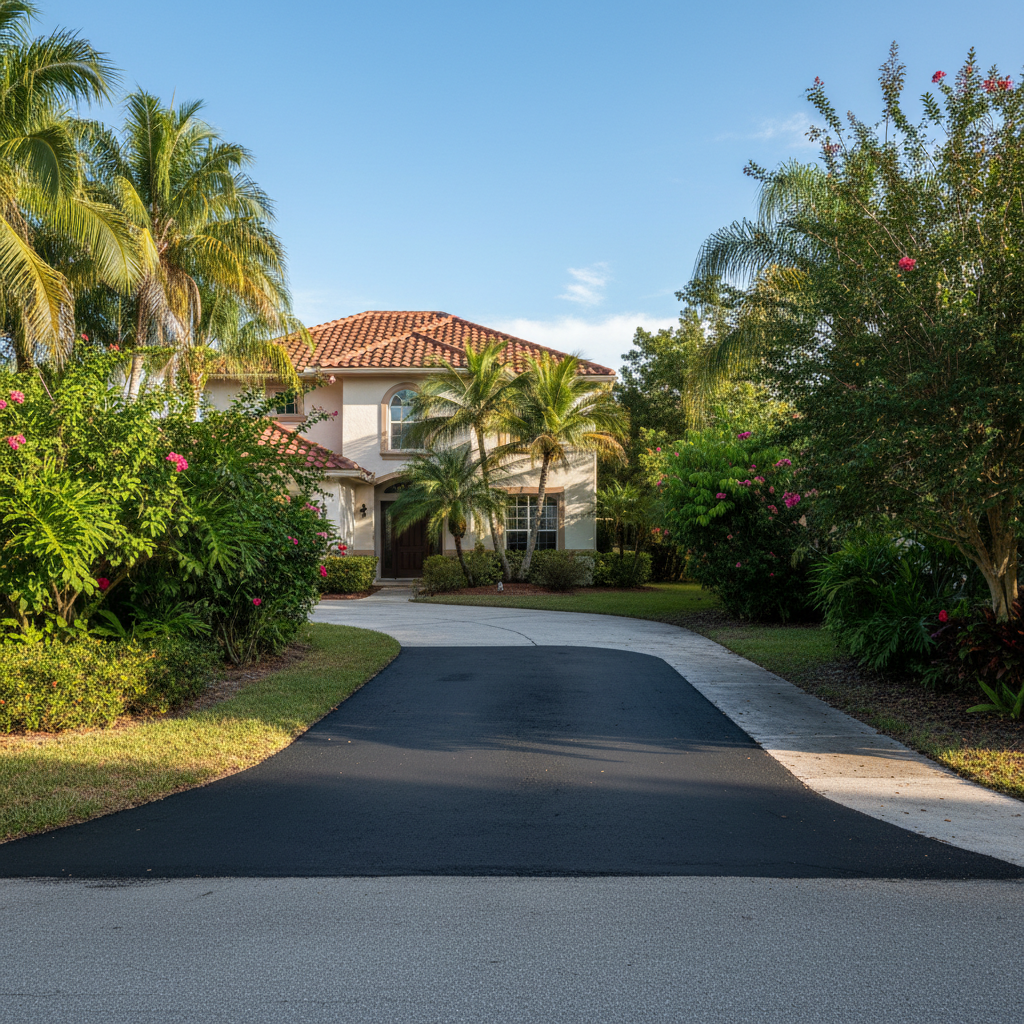
Got cracks or potholes popping up on your Orlando driveway? You're not alone. I see it all the time, especially with our Florida sun and rain cycles. Patching asphalt might seem straightforward, but here in Orlando, getting the timing right and understanding our unique climate makes a huge difference in how long that repair actually lasts.
When's the Best Time to Patch Your Driveway Here?
Look, you can patch asphalt year-round if you absolutely have to, but there are definitely better times. For us in Central Florida, I always tell folks the sweet spot is usually late fall through early spring. Think November to April. Why then? Well, a few reasons:
- Temperature is Key: Asphalt needs certain temperatures to cure right. It's not just about the air temperature, but the ground temperature too. When it's too cold, the asphalt mix doesn't bind as well, and it can become brittle. Too hot, and it's tough to work with, plus it might not compact properly. During our 'cooler' months, we get those consistent 60-80 degree days that are just perfect.
- Less Rain, Less Humidity: Our summer rainy season, from May to October, is brutal. You don't want to be patching asphalt right before or during a downpour. Water is the enemy of fresh asphalt. It can stop proper adhesion and lead to premature failure. Lower humidity in the fall and winter also helps the patch dry and cure more effectively.
- Avoiding the Peak Heat: Trying to patch asphalt when it's 95 degrees with 90% humidity? That's just asking for trouble. The material gets too soft, too quickly, and it's really hard to get a good, lasting repair. Plus, it's just plain miserable for the crew doing the work.
So, if you can, plan your patching for those months. You'll get a better, longer-lasting repair, and honestly, it's safer for everyone involved.
What Weather Conditions Affect the Work?
I just touched on it, but let's dig a little deeper into weather. It's not just about scheduling; it's about what we're looking at on the actual day of the job.
- Rain, Rain, Go Away: This is the big one. We can't patch in the rain, period. If there's standing water in the pothole or crack, the new asphalt won't bond. It's like trying to glue two wet surfaces together – it just doesn't work. Even if it's just rained and the ground is saturated, we might have to wait. That's why those pop-up afternoon thunderstorms we get in the summer can really mess with our schedule.
- Temperature Swings: While we aim for those ideal temps, sometimes we get a cold snap or an unseasonably warm day. If it dips below 50 degrees Fahrenheit, we're usually holding off on patching. The asphalt cools too fast, and it doesn't compact correctly. On the flip side, if it's scorching hot, we'll adjust our approach, maybe working earlier in the morning or using a specific mix that handles the heat better.
- Humidity: High humidity, especially when it's also hot, can slow down the curing process. It's not a deal-breaker like rain, but it's something we factor in. Everything just takes a bit longer to set up properly.
When you call Apex Asphalt Co, we're always checking the forecast. We'd rather reschedule than do a shoddy job that won't hold up.
Protecting Your Investment Year-Round: Beyond the Patch
Getting that patch done right is only half the battle. You've got to protect it, especially with our Orlando environment. Here's what you need to do:
- Keep it Clean: Sounds simple, right? But debris, leaves, and dirt can hold moisture against your asphalt, speeding up how fast it wears down. Sweep or blow off your driveway regularly.
- Address Spills Immediately: Oil, gas, and other automotive fluids are terrible for asphalt. They break down the binder that holds everything together. If you have a spill, clean it up with an absorbent material like cat litter as soon as possible.
- Watch for New Cracks: Don't wait for a small crack to become a giant pothole. Small cracks are much easier and cheaper to fix. Catch them early, and you'll save yourself a headache and a bigger bill down the road.
- Proper Drainage: This is huge. If water is pooling on your driveway, it's going to cause problems. Whether it's a low spot that needs a little fill or a clogged drain, make sure water is shedding off your asphalt properly. Our heavy rains here in Orlando will exploit any drainage issue you have.
- Consider Sealcoating: After your patches have cured (usually 30-90 days, depending on the patch material), a good sealcoat every 2-3 years is your best friend. It protects against UV rays, water penetration, and those chemical spills. It's like sunscreen and a raincoat for your driveway.
Taking these steps means your patched areas, and your entire driveway, will last a lot longer. You've put money into that repair; make sure you're getting the most out of it. A little proactive care goes a long way in keeping your Orlando driveway looking good and functioning well.