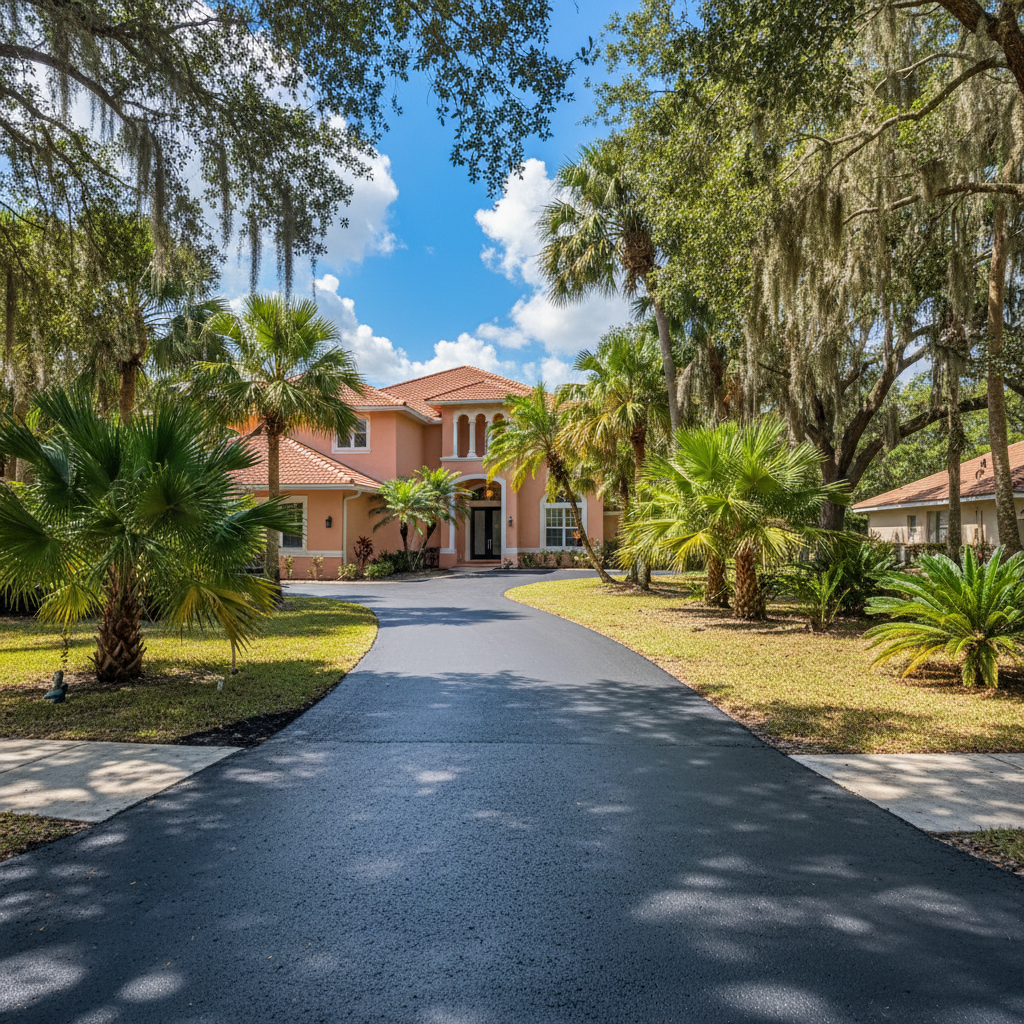
You've got a driveway, and naturally, you want it to last. But let's be real: Orlando weather isn't exactly "standard" when it comes to asphalt. We're talking heat, humidity, and those afternoon downpours that can really mess with a paving schedule. So, what does all that mean for your asphalt? More importantly, how do you make sure your investment actually holds up?
When's the Best Time to Pave in Orlando?
This is probably the question I hear most often, and for good reason. You can't just pave whenever you feel like it. Asphalt needs specific conditions to cure right and give you the long-lasting surface you're paying for. The sweet spot for asphalt paving in Central Florida? Usually late fall, winter, and early spring. Think October through about April.
Why those months? It's all about temperature and moisture. Asphalt needs warm, but not scorching hot, temperatures when we lay it down and compact it. If it's too hot, like our July and August afternoons, the asphalt mix can stay too soft for too long. That makes it harder to compact properly and really ups the risk of early rutting. Plus, my crew and equipment get absolutely baked out there, which isn't ideal for anyone, is it?
You also want to steer clear of heavy rain. A little drizzle usually isn't a problem, but a big Florida downpour can absolutely ruin a fresh paving job. Water can get trapped, and that leads to issues down the line. Those drier, cooler months give us a much better window to work efficiently and ensure the best quality finish for your driveway or parking lot.
Weather Conditions That Affect the Job
Beyond just the season, we're always watching specific weather factors. Temperature, as I mentioned, is huge. We look for ground temperatures that let the asphalt cool and harden at the right rate. If it's too cold, the asphalt cools too fast, making proper compaction tough. Too hot, and it stays soft for ages.
Humidity plays a role too, especially when we're sealcoating. High humidity can slow down how fast sealers dry and cure. This means your driveway might need to be closed off longer, or worse, the sealer won't bond as well as it should. Wind can be a blessing and a curse — it helps things dry but can also blow debris onto a fresh surface.
And then there's the rain. We're used to those pop-up afternoon thunderstorms here in Orlando. My crew always keeps an eye on the radar. If a big storm front is moving in, we might have to reschedule or pause work to protect what's already been laid. It's frustrating for everyone, but waiting for clear conditions is always better than rushing and compromising your asphalt's quality.
Protecting Your Asphalt Investment Year-Round
Once you've got that beautiful new asphalt, you want to keep it that way. Here's what I tell folks:
- Sealcoating is Your Best Friend: Think of it like sunscreen for your driveway. Our intense Florida sun, especially on those west-facing driveways in places like Winter Garden, bakes the oils right out of asphalt. This makes it brittle and prone to cracking. A good sealcoat every 2-3 years protects it from UV rays, water getting in, and even minor fuel spills. It also gives it that fresh, black look.
- Address Cracks Early: See a small crack? Don't ignore it. That little crack is an open invitation for water to get underneath your asphalt. Once water gets in, especially with our sandy Orlando soil, it can erode the base layer. That leads to bigger cracks, potholes, and eventually, total failure. Crack filling is a relatively inexpensive repair that saves you a lot of money down the road.
- Keep it Clean: Sweep off leaves, dirt, and debris regularly. Don't let oil or gas spills sit. Clean them up quickly with an absorbent material. These substances can break down the asphalt binder.
- Mind the Weight: Try not to park heavy vehicles in the exact same spot all the time, especially during our hot summer months when the asphalt is softer. This can lead to depressions and rutting.
- Watch for Drainage Issues: If you notice water pooling on your driveway after a rain, that's a problem. Standing water can weaken the asphalt and its base. Sometimes it's a simple fix; other times, it might mean you need to adjust your grading.
Taking care of your asphalt isn't rocket science, but it does require a little attention, especially with our unique climate. A little proactive maintenance goes a long way in extending the life of your driveway and keeping it looking sharp. If you're wondering about the best time to get your driveway paved or sealed, or if you've got some cracks you need looked at, give us a call at Apex Asphalt Co. We're always happy to come out and give you an honest assessment.