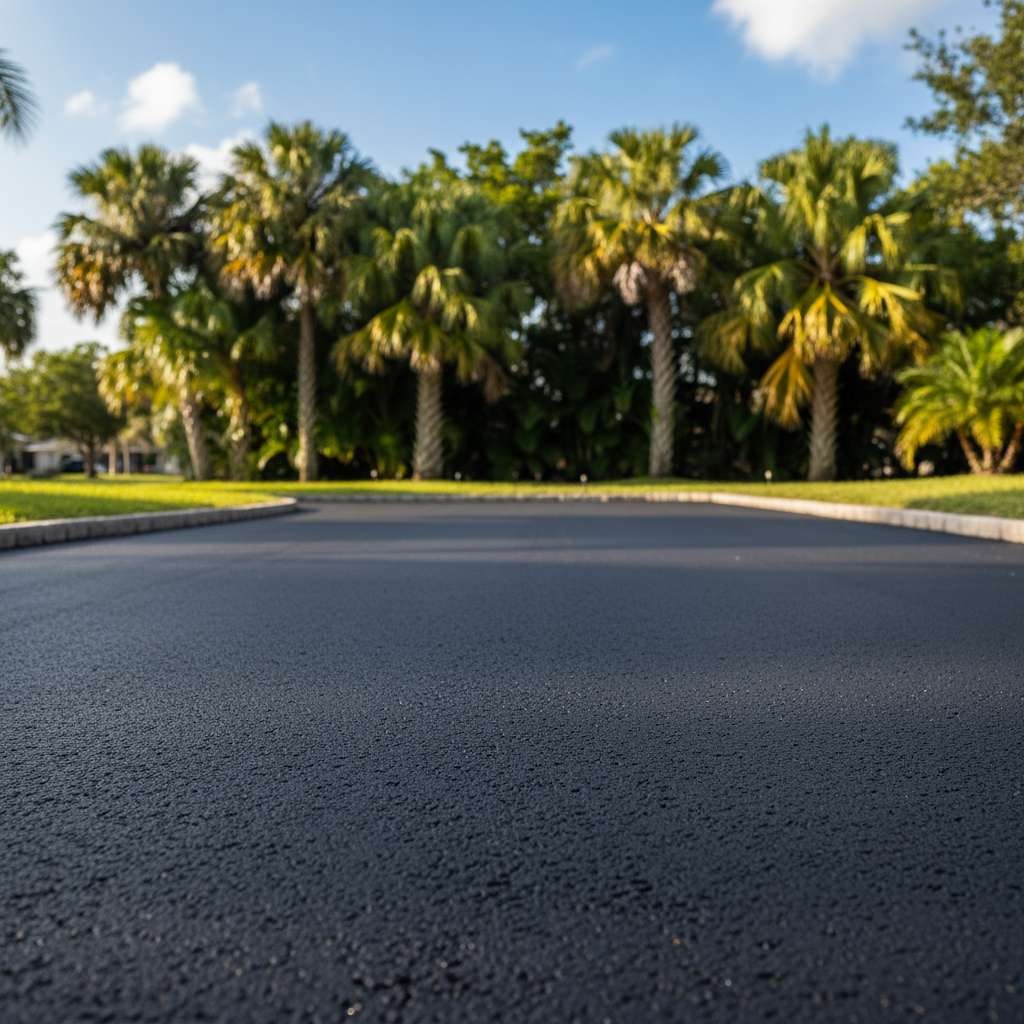
So, you're thinking about putting in a new asphalt surface, right? Maybe it's a long driveway, a sports court, or even just a small parking area for your home business here in Orlando. You might be scratching your head, thinking, "Commercial asphalt? But I'm just a homeowner!" Honestly, though, if what you're planning is bigger than a standard two-car driveway, you're usually looking at the same materials and methods we use for commercial jobs. And that means you really ought to approach it with a commercial mindset.
Before You Start: Planning and Prep
This is where most folks either save themselves a world of trouble or, well, create a whole lot of it. The biggest mistake I see homeowners make is simply not understanding the groundwork. You can't just dump asphalt on plain old dirt and expect it to hold up, especially with our sandy soil and those famous Central Florida downpours.
- Understand Your Base: This part is absolutely crucial. A good asphalt surface is only as strong as its foundation. We're talking about a compacted sub-base made of aggregate—think crushed concrete or limerock. For a typical residential driveway, 4-6 inches might cut it. But for something that'll see heavier traffic, like a delivery truck for a home business, you'll need more—8, even 10 inches. You could dig out the area yourself, sure, but getting it perfectly level and compacted? That's tough without the right gear.
- Drainage is King: Orlando gets some seriously heavy rain. If your asphalt doesn't drain properly, water will just sit there, seep into the base, and eventually, you'll end up with cracks and potholes. You need a slight slope, usually 1-2%, to push water away from any structures and into proper drainage. This isn't something you should ever guess at.
- Permits and Regulations: Even on your own property, especially for a larger area, you might need permits from the city or county. Don't skip this step. A quick call to your local planning department can save you a lot of headaches later on.
- Material Quality: Not all asphalt is created equal, you know. You want a good quality mix that's right for the amount of traffic it's going to handle. Any reputable contractor will know exactly what's needed.
So, what can you actually do yourself here? You can definitely clear the area, mark out where you want the asphalt to go, and even start digging. But when it comes to getting that base perfectly graded and compacted, and making sure the drainage is spot on, that's usually when you'll want to bring in the pros. We've got the heavy equipment—excavators, graders, vibratory rollers—stuff you just can't easily rent or use effectively without some real experience.
During the Project: What to Expect
Once the planning is done and the base is all set, the actual paving process moves pretty fast. It's like a well-choreographed dance of hot asphalt, heavy machinery, and a crew working in sync.
- Delivery and Paving: Hot asphalt shows up in dump trucks. From there, it's fed into a paver, which spreads it out nice and even. Rollers come right behind, pressing the asphalt down to its final density.
- Temperature Matters: Asphalt needs to be laid at specific temperatures to compact correctly. This means the crew really has to work quickly and efficiently.
- Layers: For a surface that's going to last, you'll often see two layers: a binder course for strength and a surface course for that smooth finish.
During this stage, your main job is to simply stay out of the way and let the professionals do their thing. It's a hot, noisy, and potentially dangerous environment. Please don't try to "help" by driving over fresh asphalt or moving cones. Just watch, if you like, and let the experts handle it.
After the Project: Care and Maintenance
Alright, you've got this beautiful new asphalt surface. Now, how do you keep it looking that way? This is where your involvement really picks up again.
- Curing Time: Fresh asphalt needs time to cure, plain and simple. You'll typically need to stay off it for at least 24-72 hours, sometimes even longer, depending on the weather and the specific mix. Your contractor will give you precise instructions. Oh, and try not to turn your car's steering wheel sharply while stationary on new asphalt; it can really scuff it up.
- Sealcoating: This is truly your best friend for making your asphalt last longer. Sealcoating protects against UV rays, keeps water from getting in, and fends off chemicals like oil and gas. I usually suggest sealcoating about 6-12 months after installation, then every 2-3 years after that. You know, you can definitely do this yourself if you're a bit handy. You'll need a good quality sealer, a squeegee, and some patience. Just make sure the surface is clean and dry first.
- Crack Filling: Small cracks will pop up over time—it's just how it goes. Filling these cracks right away stops water from getting into the base and causing much bigger problems. You can buy crack filler at most hardware stores and apply it yourself. Don't let a small crack become a pothole, okay?
- Cleaning: Keep it clean. Sweep off dirt and debris regularly. Clean up any oil or gas spills immediately with an absorbent material.
For bigger repairs, like significant potholes or large areas of cracking, you're going to want to call a professional again. Patching large areas correctly requires specialized equipment and knowledge to make sure it blends properly and actually lasts. That's exactly where a company like Apex Asphalt Co comes in. We've seen it all, and we can get your surface looking good and performing well for years to come.
Ultimately, a commercial-grade asphalt surface is a pretty big investment, but with the right planning, professional installation, and consistent maintenance, it'll serve you well for decades. Don't cut corners, especially on the base, and please don't be afraid to ask questions. A good contractor will always be happy to explain the whole process.