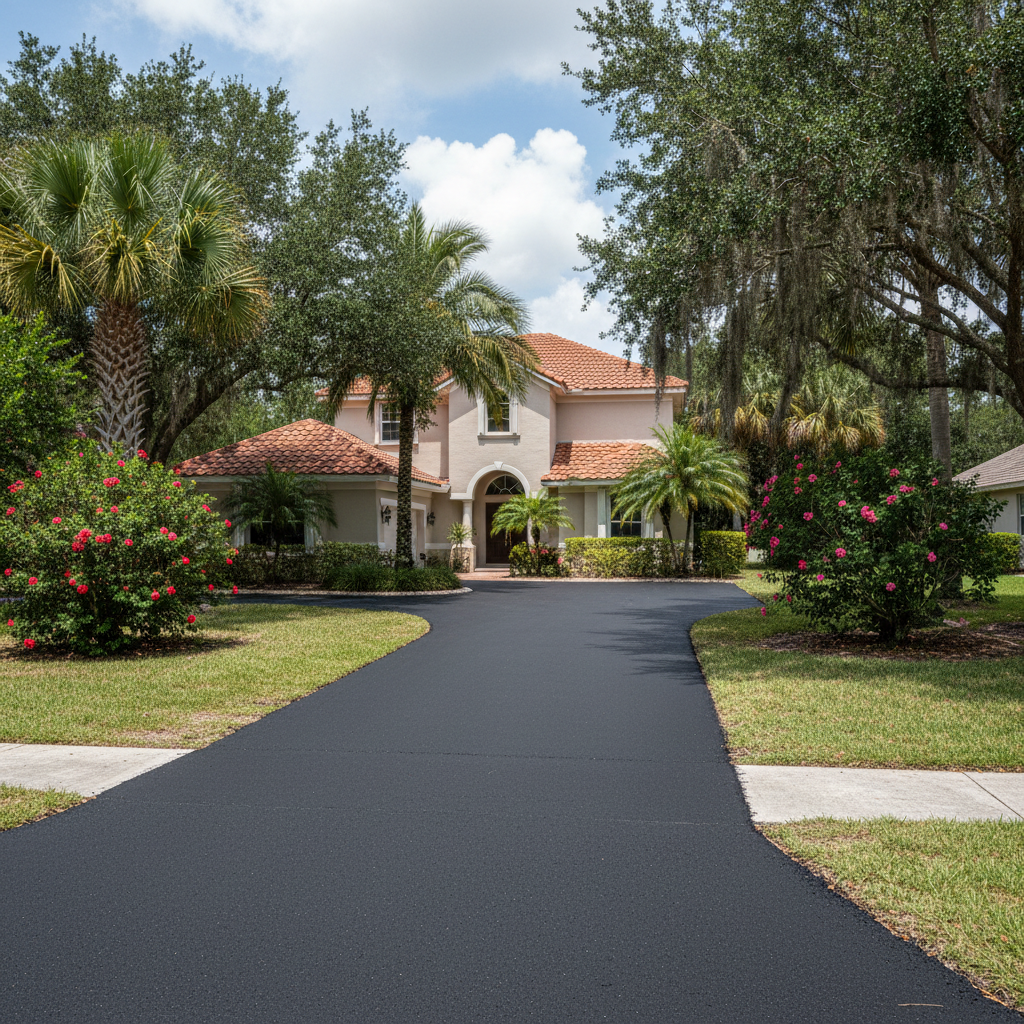
Ever notice how fast an afternoon downpour can flood a parking lot around Lake Eola? If you own property or manage a facility here in Central Florida, you already know our weather is very intense. Between the blistering summer heat, daily torrential summer storms, and high humidity, Orlando weather takes a massive toll on asphalt surfaces. Apex Asphalt Co spends our days fixing what the elements break down.
Timing is very important because scheduling asphalt work down here is not like it is up north. You cannot just pick a random Tuesday and hope for the best. Our rainy season runs heavy from late May through September. Pouring hot mix asphalt or laying down fresh sealcoat while a tropical downpour is rolling in spells total disaster. The moisture gets trapped, the binder fails, and you are left with a crumbling mess before the year is out. If you have major paving or resurfacing projects lined up, the sweet spot is usually the drier winter and spring months between November and April. Temperatures are moderate, humidity drops just enough, and we can actually get solid compaction without sweating through our boots in ten minutes.
Summer brings its own set of headaches. When surface temperatures on a typical Orlando parking lot hit 140 degrees in July, liquid asphalt gets soft. Heavy delivery trucks or constant delivery traffic can rut and shove the surface before it fully cools and cures. If we are doing patching or repairs in the dead of summer, we often have to schedule early morning pours just to beat the peak heat. Plus, you have to watch out for sudden thermal shock. When a 90-degree pavement surface gets blasted by 75-degree rain in two seconds flat, it stresses the aggregate and accelerates surface cracking.
Protecting your investment year-round comes down to routine maintenance. You cannot just pave it and forget it. Water is asphalt's worst enemy. The moment hairline cracks start showing up from thermal expansion and contraction, water gets underneath the sub-base. Once water softens that base material under your Orlando driveway or commercial lot, traffic will punch right through the surface. That is when a simple crack fill turns into a costly full-depth excavation job.
Keep an eye out for standing water. If you see birdbaths forming after a storm near Colonial Drive or out by the airport, your drainage needs attention before the next rainy season hits hard. Catch basins get clogged with pine needles and organic debris, and standing water softens the edges of your pavement. Sealcoating every few years blocks out the brutal UV rays that dry out the liquid binder and turn your dark, rich asphalt into a brittle, gray liability.
For property owners in Orlando, Apex Asphalt Co recommends staying proactive with small repairs. Fill cracks when they are small, keep oil and chemical spills cleaned off, and do not ignore drainage issues. Dealing with minor maintenance right now saves you from massive paving bills later down the road.